
Purposeful learning. Demonstrable impact.
Depth in disciplines. Movement across systems.
Undergraduate, graduate, doctoral, certificate, field, laboratory, and professional pathways connect disciplinary rigor to research, technology, place, and consequential work.
Find a pathway
Choose the academic experience that matches your purpose.
Begin with a degree, add a focused certificate, enter through an intensive, or build a field and laboratory pathway around a specific method or problem.

Degree programs
Bachelor’s, master’s, and doctoral pathways combining disciplinary depth with interdisciplinary research.
Browse degrees →
Certificates
Focused credentials in applied methods, technology, field practice, analytics, and research communication.
Browse certificates →
Professional intensives
Concentrated experiences for researchers, professionals, educators, and technical teams.
Browse intensives →
Field & laboratory learning
Method-centered work in collections, landscapes, laboratories, digital environments, and applied projects.
Explore environments →Academic divisions
Four broad homes. Many ways to connect.
Departments provide disciplinary identity while shared institutes, laboratories, publishing, and projects create movement across boundaries.


Human & Social Systems
Anthropology, archaeology, geography, psychology, sociology, economics, political systems, and the cultural dimensions of technology and environment.
- Departments
- 4
- Programs
- 17

Life, Earth & Environmental Sciences
Biology, genetics, genomics, epigenetics, ecology, climate, earth science, planetary systems, and human adaptation.
- Departments
- 4
- Programs
- 10

Physical Sciences & Engineering
Physics, astronomy, materials, photonics, electronics, sensing, robotics, measurement, engineering design, and prototyping.
- Departments
- 4
- Programs
- 13

Computing, Communication & Enterprise
Computer science, artificial intelligence, data systems, research computing, public scholarship, publishing, enterprise, and technology management.
- Departments
- 4
- Programs
- 13
Featured degree pathways
Study a discipline deeply—and use it in the world.

Anthropology, Technology & Society
Studies culture, human difference, technology, institutions, material life, and social change through comparative and field-based inquiry.
Geography, Geospatial Intelligence & Spatial Systems
Combines human and physical geography with GIS, remote sensing, LiDAR, cartography, spatial data, and field interpretation.

Spatial Anthropology & Cultural Systems
Integrates anthropology, geography, landscape, migration, memory, technology, and complex human-environment systems.
Digital Archaeology & Heritage Science
Connects archaeological method to GIS, remote sensing, 3D digitization, materials analysis, research computing, and digital stewardship.

Anthropology, Technology & Complex Systems
Advanced research on culture, biology, technology, environment, institutions, and emergence across interacting human systems.
Environmental Systems & Earth Observation
Combines ecology, climate, earth science, remote sensing, environmental data, and field monitoring.
Integrative Biosciences & Genomic Methods
Connects biological foundations to genetics, genomics, evolution, physiology, ecology, computation, and laboratory practice.
Climate, Ecology & Human Adaptation
Studies climate and ecological change together with human vulnerability, adaptation, resilience, and environmental decision making.
Learning architecture
Foundations become methods. Methods become work.
Every pathway moves through disciplinary foundations, applied practice, interdisciplinary integration, and an evaluated demonstration of capability.
Explore the academic model
Foundations
Build the knowledge, skills, and mindset for inquiry.

Application
Apply methods and tools to real-world questions.

Integration
Synthesize across disciplines and perspectives.

Demonstration
Produce and present work that creates impact.
Learning environments
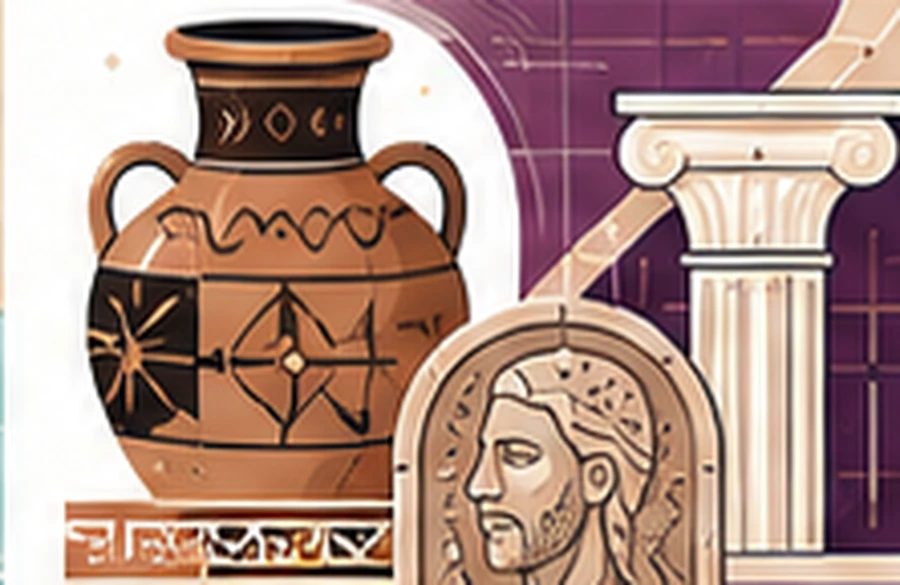
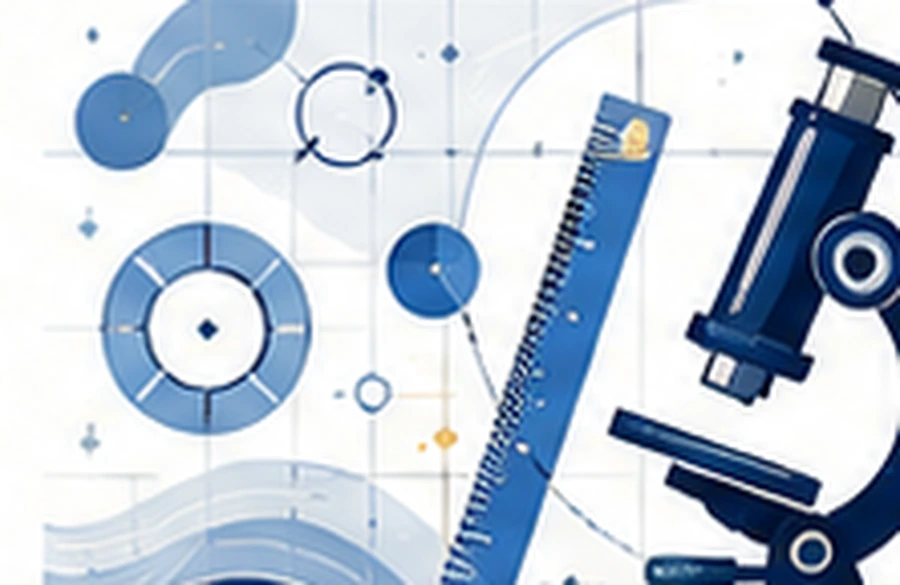
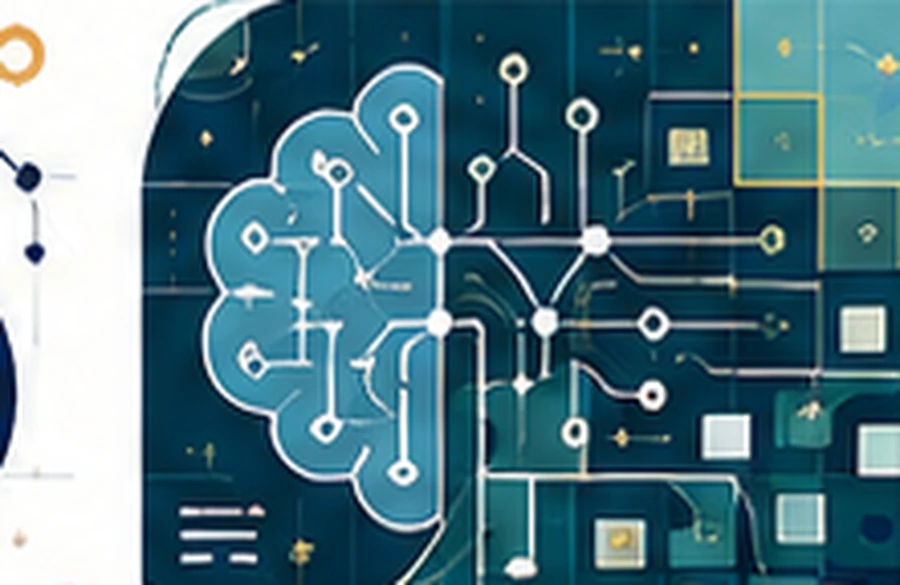
Evidence takes many forms.
Academic work moves between archives, landscapes, artifacts, laboratories, computational systems, and communities.


Focused credentials
Build a concentrated capability.

AI in Anthropology
AI-assisted qualitative, archaeological, spatial, and comparative research with verification, context, ethics, and transparent workflow.
GIS & Spatial Research
Cartography, GIS, LiDAR, remote sensing, spatial analysis, data quality, and research communication.

AI-Assisted Archaeology
Computer vision, geospatial computation, archival text analysis, data preparation, validation, and archaeological interpretation.
Digital Heritage Documentation
3D capture, collections documentation, GIS, metadata, web visualization, archival derivatives, and public interpretation.
Medical Anthropology
Culture, health, embodiment, care systems, environment, inequality, ethnography, and biosocial interpretation.
Cultural Resource Management Technologies
CRM project systems, GIS, digital documentation, archaeometry, reporting, and partner-based delivery.
Applied Research Methods
Research design, qualitative and mixed methods, spatial analysis, reproducibility, ethics, and public reporting.

Archaeological Survey & Digital Documentation
Field survey, GIS, context recording, photography, 3D capture, artifact documentation, and technical reporting.
Plan your pathway
Build an academic pathway around what you want to understand and what you want to make possible.
Admissions can help connect your interests to a division, program, certificate, field school, laboratory intensive, or course sequence.