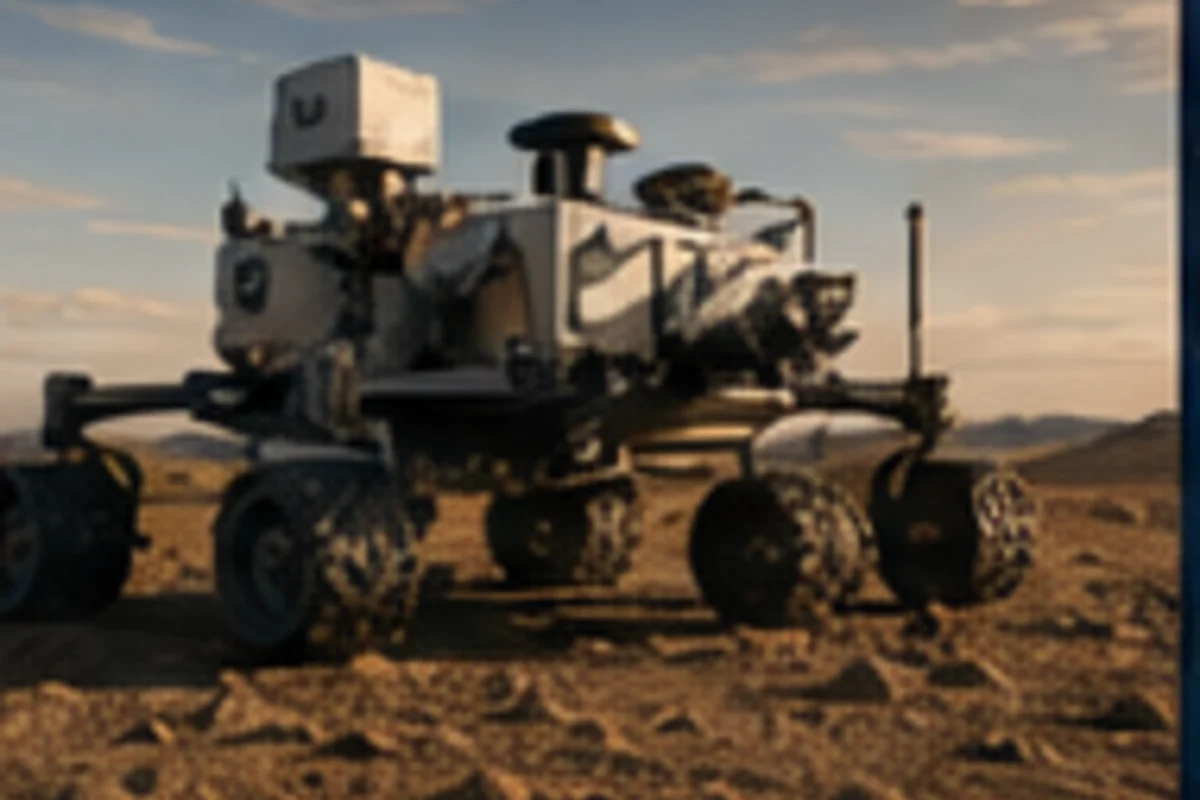
Row-straddling mobility
Base geometry, stability, traction, crop clearance, turning, transport, and safe field access.
Applied Project · Prototype
A field-oriented agricultural robotics and systems-development environment.
Project overview
AgriBot HIVE is a field robotics environment built around agricultural requirements rather than generic automation. Current development connects a row-straddling base, crop-safe positioning, harvesting and packaging functions, sensing, controls, field maintenance, and documented test cycles.
Current workstreams
The platform separates mobility, crop interaction, harvesting, packaging, sensing, controls, and field support so each subsystem can be tested and revised.
Base geometry, stability, traction, crop clearance, turning, transport, and safe field access.
Reach, end effectors, crop contact, placement, cycle timing, jam recovery, and damage reduction.
Transfer, sorting, container handling, fill control, product protection, and field-ready changeover.
Localization, crop detection, environmental data, operator control, safety states, and test logging.
Project record
Crop geometry, handling limits, field conditions, operator tasks, safety, and acceptance criteria.
CAD, electronics, software, components, fabrication, configuration, and version history.
Cycle time, misses, damage, recovery, uptime, maintenance, environmental conditions, and revisions.
Effects on crops, workers, workflow, sanitation, adoption, cost, and maintenance.
Organizations
Applied project participation
Submissions are evaluated against project scope, evidence requirements, authority, resources, and disclosure controls.